

Summer should be simple. Long days, cookouts, road trips, late nights on the porch. It’s the season most people associate with freedom, not worry. And dental health? It’s the last thing on anyone’s mind when there’s a cold drink in your hand and nowhere to be.
But here’s what a lot of people don’t know: summer is quietly one of the worst seasons for your teeth.
Not because of one dramatic event. Not because of a fall or an accident. Because of the small, ordinary, totally-forgettable habits that pile up over three months and show up in the dental chair come September.
Most people assume the holidays cause the most dental damage. The candy, the sweets, the eggnog. And yes, the holidays aren’t great. But summer has its own category of harm, and it’s sneakier because nothing about it feels alarming in the moment.
Here are three everyday summer habits that damage teeth far more than most people realize, plus what you can actually do about each one.
Habit #1: Constant Sipping on Sugary and Acidic Drinks
You already know soda isn’t great for your teeth. That’s not news. What most people miss is that it’s not what you’re drinking that does the most damage. It’s how you’re drinking it.
Think about a typical summer day. You grab a lemonade around 10am. A sports drink at lunch. A sweet tea in the afternoon. Maybe a cold beer or two in the evening. Each one feels like a separate choice, a separate event. But from your enamel’s perspective, you’ve been under near-constant acid attack since morning.
Here’s why that matters. Every time an acidic or sugary drink touches your teeth, it triggers an acid attack on your enamel. Your saliva neutralizes this, but it needs about 30 to 45 minutes to fully do its job. If you’re sipping something acidic every hour or grazing on a drink all afternoon, your mouth never gets that recovery window. The acid just keeps working.
This pattern is sometimes called “all-day sipping,” and it’s one of the most consistent contributors to enamel erosion that dentists see. Enamel doesn’t grow back. Once it’s gone, it’s gone. What follows is increased sensitivity, a higher risk of cavities, and teeth that visually look more dull or translucent over time.
The drinks that cause the most damage include:
- Soda and sparkling water (both regular and diet are acidic)
- Lemonade and citrus drinks (high acid content, even the “natural” versions)
- Sports drinks (low pH, often high in sugar, frequently sipped over long periods during activity)
- Sweet tea (the sugar and the tannins both contribute)
- Alcohol (drying to the mouth, which reduces saliva, your natural defense against acid)
None of this means you have to swear off summer drinks. It means being deliberate about how you consume them.
Quick Fix: How to Protect Your Enamel This Summer
- Use a straw. It reduces direct contact between acidic drinks and your teeth.
- Drink water between beverages. Water rinses acid off your teeth and keeps saliva flowing.
- Don’t graze. Drink your lemonade, finish it, then give your mouth a break.
- Wait before brushing. After an acidic drink, wait at least 30 minutes. Brushing while enamel is softened from acid can cause more wear.
- Rinse with water right after. A quick rinse immediately after a sugary or acidic drink helps neutralize the acid faster.

Habit #2: Vacation Routine Collapse
This one is the most underestimated of the three, and it affects almost everyone who takes any kind of summer trip or even just loosens up their schedule for a few weeks.
It starts innocently. You’re on vacation. You’re tired from the flight, or it’s late after the bonfire, or the kids are finally asleep and you’re just not getting up again to brush. So you skip it. Just for tonight. You’ll be extra thorough tomorrow.
Then it happens again two days later. Then the flossing goes. Then you’re brushing once a day instead of twice. Rushed brushing that takes 30 seconds instead of two minutes. By the time you get home, you’ve had two weeks of inconsistent oral hygiene and it doesn’t feel like a big deal because nothing hurts and nothing looks different.
But here’s what’s happening in your mouth while you feel fine: plaque begins to accumulate and irritate gum tissue within 24 to 48 hours of reduced cleaning. Early gum inflammation, called gingivitis, can develop within days. By the time you notice your gums bleeding when you resume brushing, the inflammation is already established.
After about 48 hours without proper brushing, plaque starts to harden into tartar, which can’t be removed with a toothbrush. That requires a professional cleaning. And once gum irritation sets in, reversing it typically takes one to two weeks of consistent hygiene at home, sometimes longer if existing gum sensitivity was already present.
Kids are especially vulnerable during summer break. Without the school-day routine anchoring morning and evening habits, children can go days with inconsistent brushing, a problem compounded by the extra sugary drinks and snacks that tend to come with summer freedom.
The reason nobody talks about this as a real dental risk is the same reason it keeps happening: it feels temporary and reversible. “A few days won’t hurt.” And in isolation, maybe one or two nights wouldn’t. But strung together over weeks, with all the sugary drinks and late-night snacking that summer also brings, the cumulative effect is significant.
Quick Fix: Keeping Your Routine When Routine Goes Out the Window
- Anchor brushing to non-negotiables. Morning before you leave the house, night before you get into bed. Every other part of the routine can flex, but these two don’t move.
- Pack a travel kit before every trip. Toothbrush, toothpaste, floss, and travel mouthwash. If it’s packed, you’ll use it. If you’re digging for it, you won’t.
- Make flossing non-negotiable before bed on vacation. Late nights mean more sugar and less saliva, exactly when flossing matters most.
- Set a phone reminder for kids. During summer break, a simple nightly reminder removes the reliance on routine and keeps the habit intact.
- If you miss a night, don’t try to compensate by brushing harder. Just get back on track. Aggressive brushing irritates gums and wears enamel.
Habit #3: Ice Chewing and Summer Crunch Habits
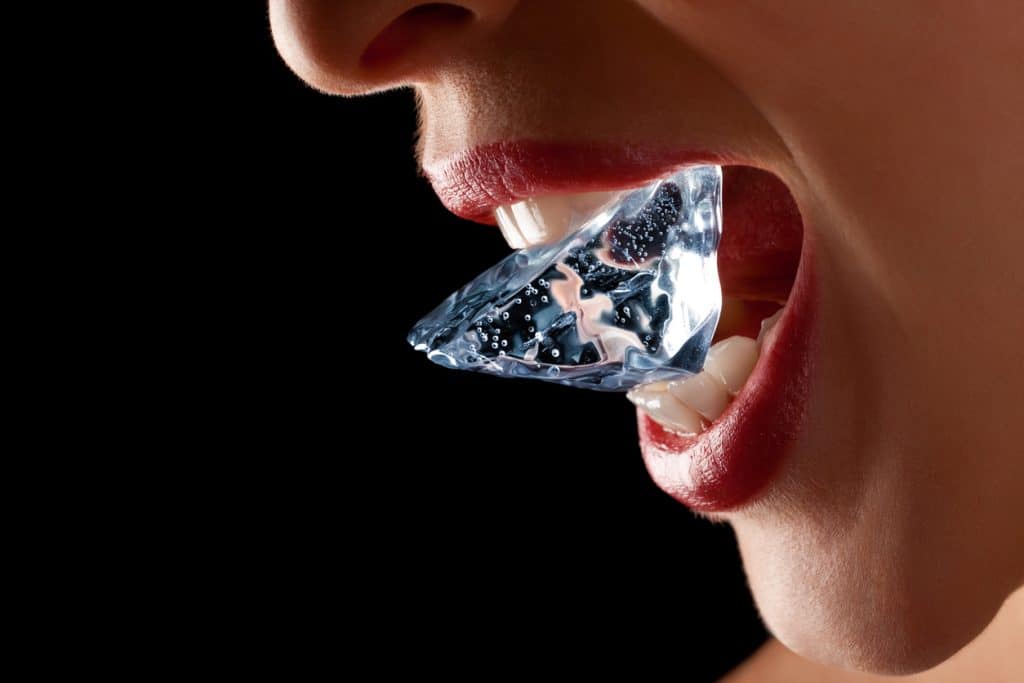
It’s hot. There’s a cold drink in front of you. The ice is right there, sitting in the glass, and it just feels satisfying to crunch. Ice chewing in summer is almost reflexive for a lot of people. It’s cooling, it’s textural, and it feels completely harmless.
It isn’t.
Ice is nearly as hard as tooth enamel. Biting down on it creates force that travels into the structure of the tooth, and over time, that force creates microcracks in the enamel. These cracks are invisible to you at first. You won’t feel anything. But they deepen with repeated stress, and what starts as a hairline fracture can become a cracked tooth that requires a crown, or in more severe cases, a root canal or extraction.
According to the Cleveland Clinic, even occasional forceful ice chewing can fracture teeth, chip fillings and crowns, and worsen existing cracks. If you have any existing dental work, your risk is even higher. Fillings and crowns respond differently to temperature and force than natural enamel, making them more vulnerable to chipping or coming loose under the stress of ice biting.
Ice chewing isn’t the only summer crunch habit worth watching. Other foods that show up consistently in summer meals create similar risks:
- Corn on the cob biting directly into the cob puts lateral force on front teeth that they weren’t designed to handle
- Unpopped popcorn kernels one of the most common causes of cracked molars
- Hard chips and crusty bread repeated crunching creates cumulative micro-stress on enamel
- Ribs and tough meats pulling with front teeth applies twisting force that strains enamel
There’s also a secondary factor that often gets missed: summer sports and outdoor activities increase clenching and jaw tension. Whether you’re concentrating at a competitive game, grinding through a long hike, or clenching during a high-stress moment, that tension translates to added pressure on your teeth. Combined with existing micro-damage from ice and hard foods, clenching accelerates the path from a small crack to a big problem.
The insidious part of all of this is that the damage is silent and gradual. You probably won’t feel a crack developing. You might notice faint sensitivity to cold that you brush off, or a slight roughness on a tooth that you assume is nothing. By the time there’s actual pain, the crack has often progressed further than anyone would like.
Quick Fix: Protecting Your Teeth From Summer Crunch Damage
- Don’t chew ice. Let it melt. If the urge is persistent, mention it to your dentist, as compulsive ice chewing is sometimes linked to iron deficiency.
- Cut corn off the cob before eating. You get all the flavor, none of the force on your front teeth.
- Be mindful with hard foods. Chew slowly, use your back teeth, and stop when something feels or sounds wrong.
- Consider a mouthguard for contact or high-intensity sports. A custom-fitted mouthguard protects against both impact and clenching-related damage.
- If you grind or clench at night, talk to your dentist. Summer stress and disrupted sleep schedules can worsen bruxism, and a night guard can prevent significant damage.
The Bigger Picture: Summer Deserves a Dental Check
None of these habits are dramatic. That’s exactly what makes them dangerous. The enamel that wears down from three months of all-day sipping doesn’t announce itself. The gum inflammation from two weeks of inconsistent brushing on vacation doesn’t send a clear signal until it’s already established. The tiny crack from a summer of ice chewing doesn’t hurt until it does, and by then the repair is usually more involved than a simple filling.
The good news is that none of this requires perfection. It requires awareness. Drink your lemonade with a straw and follow it with water. Pack your floss. Don’t chew the ice.
And if summer has already done its quiet work and you’re noticing sensitivity, irritated gums, or anything that feels a little off, that’s exactly what we’re here for. At Granville Smiles, we take the time to actually look at what’s going on, talk through what we find, and give you options that make sense for your life. No rush, no pressure. Just thorough, compassionate care from a team that genuinely knows you.
If it’s been a while since your last cleaning, or you want to catch any summer habits that damage teeth before they become something bigger, give us a call. We’d love to see you.
Frequently Asked Questions
What summer drinks are worst for your teeth?
The most damaging summer drinks are those that combine high acid content with frequent, prolonged sipping. Sports drinks, lemonade, soda (including diet), sweet tea, and alcohol all create repeated acid exposure that erodes enamel over time. The pattern of all-day sipping amplifies the damage more than the drink itself.
Does chewing ice really damage teeth?
Yes. Ice is nearly as hard as tooth enamel and creates significant force when bitten. This force causes microcracks that deepen with repeated exposure, potentially leading to cracked tooth syndrome, sensitivity, and damage to existing fillings or crowns. The damage is often painless at first, which is why many people don’t connect the habit to the problem.
How quickly does plaque build up if I skip brushing?
Plaque begins accumulating within 4 to 12 hours after brushing. Within 24 to 48 hours of reduced or skipped brushing, plaque can start irritating gum tissue. After about 48 hours, plaque begins hardening into tartar, which cannot be removed with a toothbrush and requires professional cleaning.
Are kids’ teeth more at risk during summer?
Yes. Summer break removes the school-day routine that typically anchors morning and evening brushing habits. Combined with increased sugary snacks and drinks, children can experience measurable gum irritation and early enamel damage during summer if hygiene habits aren’t actively maintained.
Should I brush my teeth immediately after drinking soda or lemonade?
No. Brushing immediately after acidic drinks can actually increase enamel wear because the acid temporarily softens enamel. Rinse with water right away, then wait at least 30 minutes before brushing.
When should I see a dentist after a summer of these habits?
If you notice tooth sensitivity to cold, bleeding or tender gums, any roughness or change in tooth texture, or visible chips or cracks, schedule an appointment promptly. Even without visible symptoms, a post-summer cleaning is a smart way to catch any early enamel erosion or gum inflammation before it progresses.