

Most tooth damage does not come from one dramatic moment. It comes from small habits repeated hundreds of times a year: chewing ice while you drive, clenching your jaw during a stressful meeting, sipping a sports drink through a long afternoon. These everyday habits that damage your teeth rarely hurt at first, which is exactly why they are so easy to miss until a chip, crack, or cavity finally shows up. Here are ten of the most common offenders, and what you can do about each one.
1. Chewing on Ice
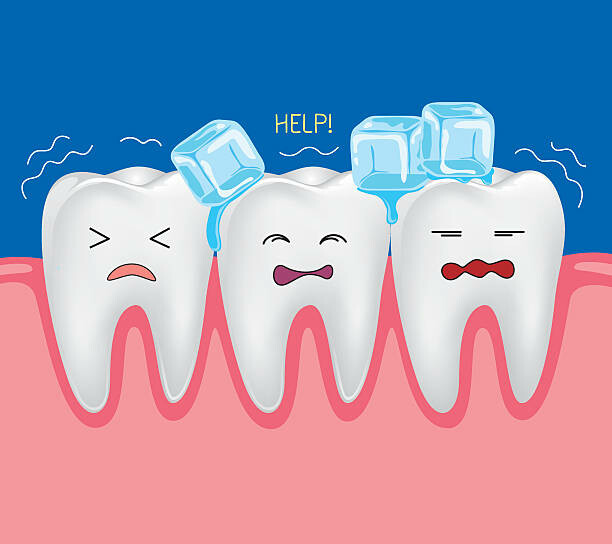
Chewing ice is one of the most damaging habits for tooth enamel because it combines hard pressure with a sudden temperature change, and enamel is not built for either. It can chip teeth, crack fillings, and create tiny fracture lines that widen over time.
Many people do not even realize they are doing it. It often starts with the ice left at the bottom of a summer drink and slowly becomes a daily chew. Cleveland Clinic research on the habit notes that repeated ice chewing can fracture enamel and existing dental work, and frequent ice chewing is sometimes linked to iron deficiency. If you find yourself reaching for ice constantly, it is worth mentioning to your dentist for more than one reason.
Simple fix: Let a cold drink cool your mouth on its own instead of chewing the ice. If you love the crunch, try a soft, sugar-free treat, or ask about a nightguard-style appliance if the habit shows up while you sleep too.
2. Sipping Soda, Sports Drinks, or Citrus Water All Day
It is not only the sugar in these drinks that hurts your teeth. It is the acid, and sipping slowly all day is often worse than finishing a glass at once, since constant sipping keeps your mouth in an acidic state for hours with no time to recover.
A lab study on tooth erosion published through the National Institutes of Health found that acidic beverages, including sodas and citrus drinks, measurably softened enamel on contact, with carbonated drinks among the fastest acting. Sports drinks and flavored waters marketed as healthier options often carry similar acidity, so the label is not always a reliable clue. For most people, timing matters as much as the drink itself: a bottle nursed over three hours does more harm than the same drink finished in ten minutes with a meal.
Simple fix: Drink acidic beverages with meals instead of sipping them throughout the day, use a straw to limit contact with your front teeth, and rinse with plain water afterward rather than brushing right away.
3. Brushing Too Hard, Too Soon, or With a Worn-Out Toothbrush
Brushing seems like the safest habit on this list, but too much pressure, the wrong bristles, or brushing immediately after something acidic can wear enamel down instead of protecting it. Enamel is temporarily softened after acidic exposure, and brushing during that window acts like light sandpaper.
A lot of us learned to scrub as kids, but gentle, circular motions with a soft-bristled brush protect enamel far better than force ever will. If your bristles are already splayed out after a couple of months, the brush has lost its effectiveness and may be irritating your gumline instead of cleaning it.
Simple fix: Wait about 30 minutes after eating or drinking something acidic before you brush, replace your toothbrush every three to four months, and let the bristles do the work instead of your arm.
4. Using Your Teeth as a Tool
Teeth are not scissors, bottle openers, or nail clippers, even though it is tempting to treat them that way in a pinch. A single hard bite on a bottle cap or a stubborn tag can crack a tooth that took years of normal wear to build up its strength.
This habit is sneaky because it usually works fine, until the one time it does not. Fractures from this kind of stress often start as small, painless cracks that do not announce themselves until a piece breaks off or a tooth turns sensitive to hot and cold.
Simple fix: Keep real scissors or a bottle opener within reach at your desk, in your car, and in a kitchen drawer. It sounds small, but it removes the temptation completely.
5. Biting Your Nails or Chewing on Pens
Nail biting and pen chewing are stress habits more than dental habits, but your teeth absorb the impact either way. Both can chip front teeth, wear enamel unevenly, and stress the jaw joint over time.
The American Dental Association notes that habits like these often start young and stick around into adulthood, especially during periods of stress or concentration. The repetitive motion also puts pressure on the same few teeth again and again, rather than distributing force the way chewing food normally does.
Simple fix: Keep your hands busy with something else, a stress ball, a fidget tool, even a cup of coffee, and treat the underlying stress as the real cause instead of trying to white-knuckle your way out of the habit alone.
6. Grinding or Clenching Your Teeth, Especially at Night
Bruxism, the clinical term for grinding and clenching, is one of the most common habits we see, and most people do not know they are doing it because it happens during sleep. Over time it wears down enamel, causes jaw pain, and can crack or loosen teeth.
The American Dental Association has found that most dentists now regularly see grinding-related wear and jaw joint issues in their patients, often tied to stress, sleep quality, or a misaligned bite. If you wake up with a sore jaw, a dull headache, or teeth that feel more sensitive than usual, grinding is worth investigating even if you have never noticed yourself doing it.
Simple fix: A custom nightguard is the most reliable protection, and it is something we can fit and adjust as part of your regular care. Addressing the underlying stress, through better sleep habits, exercise, or simply talking it through, helps too.
7. Snacking Throughout the Day Instead of at Mealtimes
It is not just the amount of sugar that matters to your teeth. It is how often your mouth is exposed to it, and grazing on snacks all day gives the bacteria that cause cavities a steady supply of fuel with little recovery time in between.
Your saliva naturally works to neutralize acid and redeposit minerals after you eat, but that process takes time, usually 30 to 60 minutes. If you are snacking every hour, your mouth never gets the chance to reset, even if the snacks themselves seem harmless, like crackers or dried fruit that stick to your teeth.
Simple fix: Try to consolidate snacks into two or three windows a day instead of constant grazing, and reach for options like cheese, nuts, or raw vegetables that do not linger on tooth surfaces.
8. Letting Dry Mouth Go Unaddressed
Saliva does a lot of quiet, unglamorous work: washing away food particles, neutralizing acid, and delivering minerals that keep enamel strong. When your mouth runs dry, from medication, dehydration, allergies, or breathing through your mouth at night, that protection disappears and your decay risk climbs fast.
The American Dental Association notes that dry mouth is often a side effect of common medications, including antihistamines, blood pressure medications, and antidepressants, which means it can sneak up on people who are not watching for it. Waking up with a sticky, cottony feeling in your mouth is usually the first sign.
Simple fix: Stay hydrated throughout the day, ask your pharmacist or physician whether a medication you take lists dry mouth as a side effect, and mention it at your next cleaning so we can watch for early enamel changes.
9. Trying DIY Whitening Hacks
Charcoal scrubs, lemon rinses, and baking soda pastes show up constantly online promising a brighter smile, but several of these trends are abrasive or acidic enough to do the opposite of what they promise. Once enamel wears away, it does not grow back.
Charcoal is gritty enough to scratch enamel with repeated use, and lemon juice is acidic enough to soften it on contact, similar to soda. Store-bought whitening strips used more often than directed can also cause sensitivity without delivering the extra brightness people are hoping for.
Simple fix: If you want a whiter smile, ask about professional whitening options calibrated for your enamel rather than experimenting with trends that trade short-term results for long-term wear.
10. Skipping Your Regular Cleanings Because Nothing Hurts
Most of the habits above cause damage long before you feel any pain, which is exactly why routine visits matter more than symptoms do. Enamel wear, small cracks, and early decay are often visible to a trained eye months or years before they become uncomfortable.
We hear it often: nothing was bothering me, so I did not come in. By the time a habit like grinding or ice chewing causes pain, the fix is usually more involved than it needed to be. Regular visits give us a chance to catch the early signs of these ten habits and talk through simple changes before anything becomes a bigger repair, like a same-day crown or an emergency visit.
Simple fix: Keep your six-month cleanings on the calendar, even when everything feels fine. Your smile is worth the ongoing attention, not just a reaction when something goes wrong.
Quick Reference: Everyday Habits, Risks, and Fixes
| Habit | Why It’s Harmful | The Fix |
| Chewing ice | Cracks enamel and fillings from pressure and temperature shock | Skip the ice; try a soft, sugar-free treat instead |
| Sipping acidic drinks | Keeps enamel in an acidic, softened state for hours | Drink with meals, use a straw, rinse with water after |
| Brushing too hard | Wears enamel and irritates gums, especially right after acid | Soft brush, gentle motion, wait 30 minutes after acidic food |
| Using teeth as tools | Sudden force can crack or chip a healthy tooth | Keep scissors or an opener within reach |
| Nail or pen biting | Chips front teeth and stresses the jaw joint | Redirect the stress response to a fidget tool |
| Grinding or clenching | Wears enamel, cracks teeth, strains the jaw | Custom nightguard plus stress management |
| Constant snacking | Keeps mouth acidic with no time to remineralize | Consolidate snacks into two or three windows daily |
| Unaddressed dry mouth | Removes saliva’s natural protection against decay | Hydrate, review medications, mention it at cleanings |
| DIY whitening hacks | Abrasive or acidic ingredients wear enamel permanently | Ask about professional whitening instead |
| Skipping cleanings | Lets early damage go unnoticed until it hurts | Keep six-month visits on the calendar |
Frequently Asked Questions
What is the most damaging everyday habit for your teeth?
There is no single worst habit, but chewing ice and grinding your teeth tend to cause the most sudden damage because they combine hard pressure with repeated stress on the same teeth. Acidic drinks and dry mouth cause a slower kind of damage that is just as serious over time.
Can enamel damage from these habits be reversed?
No. Enamel does not regenerate once it is worn away or eroded, which is why prevention matters more than almost anything else in dentistry. The good news is that catching these habits early often means the damage stays minor rather than requiring a crown or filling.
How do I know if I am grinding my teeth at night?
The most common signs are a sore or tired jaw in the morning, a dull headache, and teeth that feel more sensitive than usual. A dentist can also spot the flattened or chipped edges that grinding leaves behind during a routine exam.
Is chewing gum bad for your teeth?
Sugar-free gum is one of the few chewing habits that can actually help, since it stimulates saliva flow and helps neutralize acid after meals. Sugared gum, or chewing aggressively enough to strain your jaw, can undo those benefits.
How often should I see a dentist to catch these habits before they cause damage?
Most people do well with a cleaning and exam every six months, which gives your dentist a consistent baseline to notice small changes. If you already know you grind your teeth, chew ice, or deal with frequent dry mouth, mention it so your visits can focus on those specific risks.
A Note From Our Team
None of these habits make you a bad patient. They make you human. At Granville Smiles, Dr. Radhika Patel and our team would rather catch a habit like this at your next cleaning than treat the crack it eventually causes. If any of these sound familiar, bring it up at your next visit, or reach out to schedule a cleaning at our Granville, Ohio practice. We are your neighbors, and we are here for the long run, not just the next appointment.