

Most people have at least one question they rehearse in the car and then swallow the second they sit in the chair. Bad breath. Bleeding gums. A tooth that looks a little off. The worry that everyone in the waiting room can hear what you are about to say.
You are not the only one. The American Dental Association has reported that more than 72% of U.S. adults have some dental fear, and about 27% describe that fear as severe. Embarrassment sits right next to that fear. It keeps good questions unasked, and unasked questions turn small issues into bigger ones.
At Granville Smiles, those questions are welcome. Dr. Radhika Patel built this concierge practice so patients would feel like neighbors, not numbers. Nothing on this list will surprise your dentist. Here are the things people are embarrassed to ask their dentist, answered the way we would answer them in the chair.
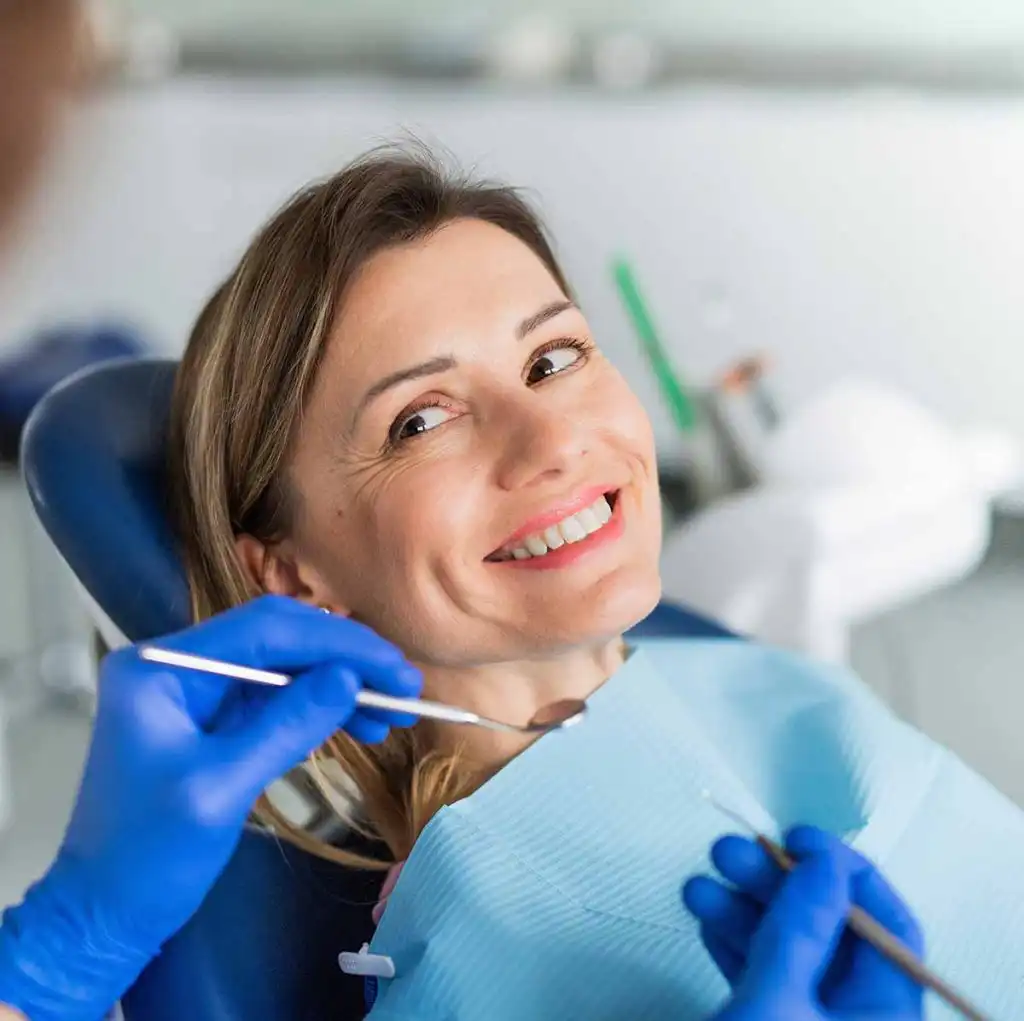
Why does my breath smell even after I brush?
Most bad breath starts in the mouth, not in the stomach. Brushing helps. It does not always reach the back of the tongue, the spaces between teeth, or a pocket of gum inflammation.
The National Institutes of Health notes that bacteria on the teeth and tongue produce sulfur compounds, and a dry mouth in the morning makes that smell stronger. Food, tobacco, and some medications can add to it. A mint covers the odor for a few minutes. It does not fix the source.
If breath stays off after a thorough cleaning routine, tell your dentist. Persistent odor can point to tooth decay, gum disease, a dry mouth from medication, or something outside the mouth, like a sinus issue. A dentist can usually tell which one it is in a single visit. You will not be the first person to ask, and you will not be judged for asking.
Is bleeding when I floss a bad sign?
A little pink on the floss is common. It is also a signal, not a personality flaw. Healthy gums generally do not bleed from gentle cleaning. Inflamed gums do.
The Centers for Disease Control and Prevention reports that about 42% of U.S. adults age 30 and older have periodontitis, the more serious form of gum disease. Gingivitis, the milder stage, shows up as red, swollen, or bleeding gums. It is often reversible with consistent home care and a professional cleaning.
Skipping floss because it bleeds makes the bleeding worse. The gums are inflamed, and avoiding the area lets bacteria sit there. Bring it up at your next visit. A gentle cleaning, a look at how you are flossing, and a plan for home care usually settle it. If the gums have pulled back or teeth feel loose, say that too. Earlier is always kinder than later.
Can you tell I have not been in for years?
Yes. And it does not change how you are treated.
A long gap between visits is one of the most common things people are embarrassed to ask their dentist about, usually by not asking at all. Life gets in the way. Anxiety gets in the way. A move, a new baby, a stretch of being busy. Your chart will show the gap. Your dentist already expected that before you walked in.
What matters is the visit you are in now. At our concierge practice, that first appointment is unhurried on purpose. You get time to say what hurts, what worries you, and what you hope the next year looks like. No lecture. A clear picture of where things stand, and a plan that fits your life, not a generic checklist.
Will it hurt?
This is the question people most want to ask and least want to admit. Dental fear is ordinary. The American Dental Association’s own guidance for dentists starts from that fact: invite the fear into the conversation, explain what will happen before it happens, and adjust how care is delivered.
You can ask for a pause signal. You can ask what a shot will feel like before it happens. You can ask whether a numbing gel comes first. You can say you need a minute. A good visit is built around those requests, not around pretending you do not have them.
If past visits were rough, say so at the start. That context changes how the appointment is paced. You deserve to be heard before anyone picks up an instrument.
Is teeth grinding something I should mention?
YYes, especially if you wake up with a sore jaw, a dull headache, or teeth that look flatter than they used to. Grinding and clenching often happen in sleep, so plenty of people do not know they are doing it until a partner mentions the noise or a dentist sees the wear.
It feels awkward because it sounds like a habit you should be able to stop. You usually cannot, not while you are asleep. A nightguard, a look at your bite, and a conversation about stress or sleep can protect the teeth you have. Worn enamel does not grow back. Mentioning the jaw ache now can save a crown later.
Do I really need a crown, or is this a sales pitch?
Ask this. Please ask this.
A crown replaces a large amount of missing tooth structure so the tooth can keep chewing without cracking. It is the right call when a filling would be too big to hold, or when a tooth has already fractured. It is not the right call for a small cavity. If the reason is not clear, ask what happens if you wait, what a filling could still do, and what the tooth looks like on the X-ray.
At Granville Smiles, same-day crowns with CEREC are an option when a crown genuinely is the right fix, so you are not booking a second visit for something that can be finished in one. The recommendation should still be explained in plain language. If it is not, ask again. Mutual respect includes a straight answer.
Why are my teeth yellow if I brush twice a day?
Color is not a report card. Enamel is slightly translucent, and the dentin underneath is naturally more yellow. Coffee, tea, red wine, and tobacco stain the surface. Some medications and the natural thickening of dentin with age change the shade from the inside, where a toothbrush cannot reach.
Whitening can lift surface stain and, in many cases, lighten the tooth itself. It will not change the color of an existing crown or filling, and it is not a fix for every smile. If the shade bothers you, say so. A cosmetic conversation should be about what you want to see in the mirror, not about a shade someone else picked for you.
Is it normal to feel anxious about the dentist?
Yes. It is common enough that dental teams are trained to treat it as part of the visit, not a side issue. Anxiety can come from a painful visit years ago, from a fear of needles, from feeling trapped in the chair, or from nothing you can name. All of those are valid.
Tell the team before you sit down. A written note on the medical history works if saying it out loud feels hard. Visits with our team are built to feel unhurried: time to talk, time to pause, and attention to your concerns before treatment starts. You can also ask what the appointment will include, minute by minute. Predictability lowers the volume on fear more than a pep talk does.
What if I cannot do everything you recommend right now?
Say it. A treatment plan is a conversation, not a list you have to accept in full on the spot.
Granville Smiles is a concierge practice. Patients choose that model because they want time, attention, and high-quality care. Ask what is urgent, what can wait, and what order protects your teeth if you phase the work. A tooth that is infected should not wait. A cosmetic upgrade usually can.
You will get a clear sequence, and the respect of an honest answer about what matters most. That is personalized care, not a rush.
Can you tell if I smoke, vape, or skip flossing?
Often, yes. Tissue color, tartar pattern, staining, and how the gums look tell a fairly clear story. That is clinical information, not a character judgment.
Hiding it does not help. Nicotine and cannabis both affect healing, dry mouth, and gum health, and your dentist needs that history before recommending treatment. If you have been skipping floss, say so. The cleaning and the home-care coaching will be more useful if they are based on what you actually do, not on what you wish you did.
Is Invisalign only for teenagers?
No. Clear aligners are a common choice for adults who want to straighten teeth without metal brackets, including people who had braces years ago and watched teeth drift. Age is rarely the limit. Gum health, bone support, and the type of movement needed are.
If you have been quietly bothered by crowding or a gap and felt silly bringing it up, bring it up. An Invisalign conversation is a normal part of adult dentistry in Granville. You will get a straight answer about whether aligners fit your bite, or whether another option makes more sense.
What should I do about a dental emergency at night?
Call. Do not wait it out because you feel bad about the hour.
A knocked-out tooth, swelling that is spreading, bleeding that will not stop, or pain that keeps you from sleeping is a reason to reach the office. Granville Smiles provides same-day care for urgent dental needs during office hours. The right first step after hours is still a call, so you know whether to come in, use temporary comfort measures, or head to urgent care.
Keep a knocked-out adult tooth moist, ideally in milk, and get to a dentist quickly. Embarrassment has no place in that moment. Pain and swelling are medical, not moral.
Questions worth asking before you leave
If you only ask three things, ask these.
- What is the one thing in my mouth that most needs attention this year?
- What can I do at home that would actually change what you see next visit?
- What should I call you about instead of waiting?
Write the answers down. A concierge visit gives you the time to hear them. Use it.
You can ask. That is the whole point.
The things people are embarrassed to ask their dentist are almost always the things their dentist most needs to hear. Bad breath, bleeding gums, a long gap between visits, fear of the chair, a plan that needs to be phased. None of that makes you a difficult patient. It makes you a person with a real life, sitting in a chair, hoping someone will be kind about it.
That is the standard at Granville Smiles. Lifelong relationships, built on compassion, trust, and the feeling that you were heard. If a question has been sitting with you, bring it to your next visit. Dr. Patel and the team would rather answer it than watch you carry it home.
Request a visit at granvillesmiles.com.
Frequently asked questions
What are people most embarrassed to ask their dentist?
Bad breath, bleeding gums, a long gap since the last visit, fear of pain, teeth grinding, and whether a recommended treatment is truly necessary. Dentists hear all of these often. Asking protects your teeth. Staying quiet usually does not.
Is it rude to ask my dentist to explain a treatment again?
No. A clear explanation is part of high-quality care. Ask what the procedure is, why it is recommended, what happens if you wait, and what it will feel like. If the answer is still fuzzy, ask once more.
Should I tell my dentist I am anxious before the appointment?
Yes. Say it when you book, or write it on your medical history. The team can slow the visit, explain each step, and give you a way to pause. Dental anxiety is common, and naming it makes the appointment safer and calmer.
Does bleeding gums always mean gum disease?
Bleeding is a common sign of gingivitis, the early stage of gum disease, and it can also show up with rough flossing or certain medications. It is worth a professional look. About 42% of U.S. adults 30 and older have the more advanced form, periodontitis, so do not wait for pain.
Can a dentist in Granville help with bad breath?
Yes. Most bad breath starts with bacteria on the tongue and teeth, gum inflammation, or a dry mouth. A Granville Smiles visit can find the source and give you a home routine that actually matches it. If the cause is outside the mouth, your dentist will say so and point you in the right direction.